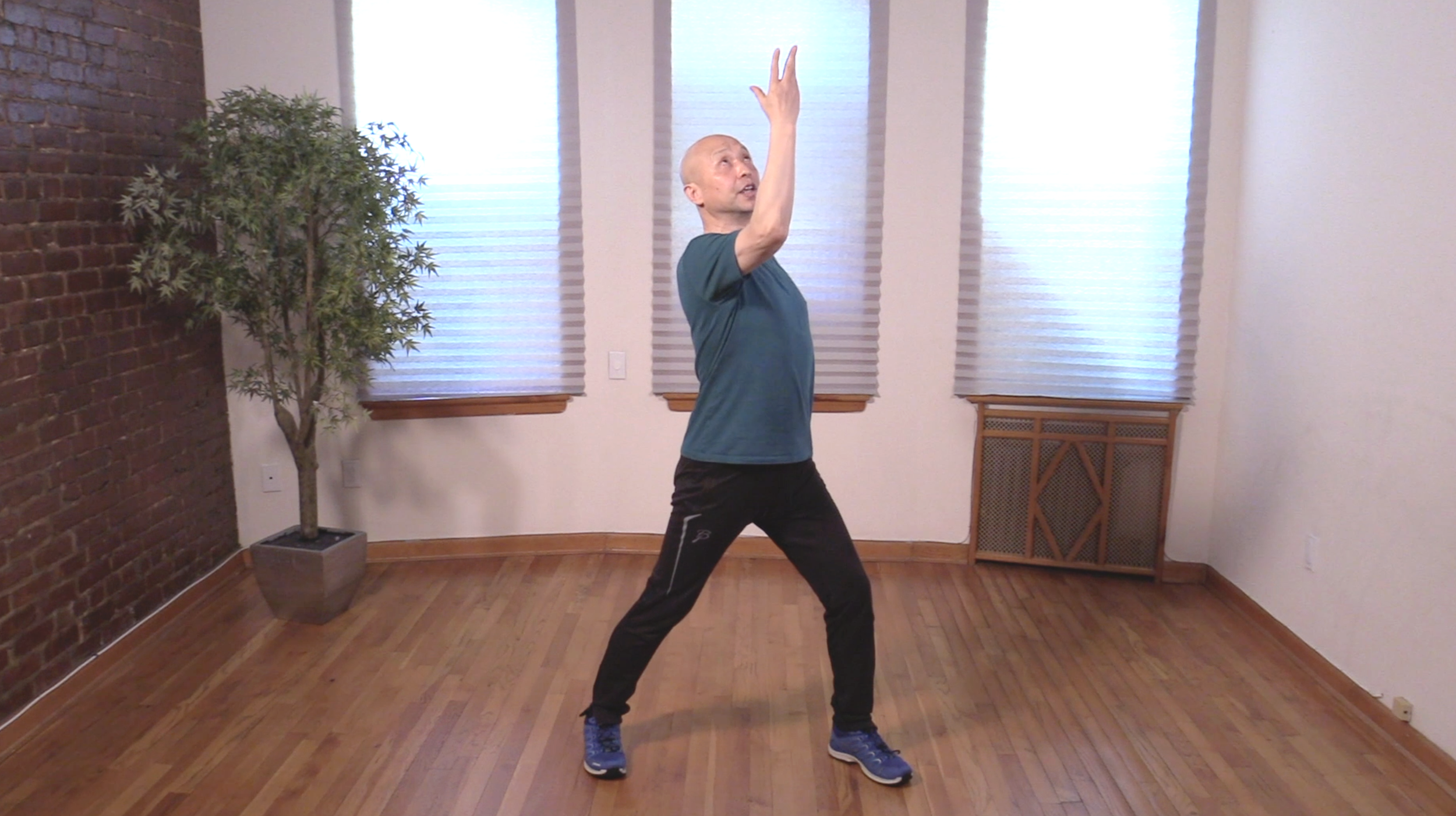

Back Pain Study (2024)
A randomized controlled trial of a virtually delivered tai chi, qigong, and meditation program for chronic low back pain.
Demonstrating improvements in pain-related disability, pain intensity, sleep quality, and overall quality of life over the 16-week program.
Overview
This randomized controlled trial, conducted in collaboration with the Comprehensive Spine Center at Weill Cornell Medicine (PI: Dr. Roger Härtl), evaluated the impact of a virtually delivered integrated tai chi, qigong, and meditation program on chronic low back pain. A total of 350 adults were randomized to immediate or delayed intervention. The program consisted of 12 weeks of live, instructor-led online sessions along with 24/7 access to practice recordings.
Study Aim
To evaluate the effects of the program on disability, pain intensity, sleep quality, and health-related quality of life among individuals with chronic low back pain.
Participants
Adults with non-specific chronic low back pain were randomized into two groups:
Treatment group: received the tai chi program in addition to usual care
Control group: received usual care only
Results
Compared with usual care alone, at 16 weeks
35% less disability: 8.1-point greater reduction in Oswestry Disability Index (ODI)
27% less pain: 1.2-point greater reduction in Visual Analog Scale (VAS) pain score
15% better sleep: 1.0-point greater reduction in Pittsburgh Sleep Quality Index (PSQI)
25% better quality of life: 14.9-point greater increase in SF-36 score
Improvements in disability, pain, and quality of life were both statistically and clinically significant. The improvement in sleep quality was statistically significant but did not reach the threshold for clinical significance.
Citation
Yang Y, McCluskey S, Bydon M, et al. A Tai chi and qigong mind-body program for low back pain: A virtually delivered randomized control trial. N Am Spine Soc J. 2024;20:100557. doi:10.1016/j.xnsj.2024.100557
What This Adds
This trial showed clinically meaningful improvements in disability, pain, and quality of life. Because it followed participants for 16 weeks, it could not show whether the benefits last, and it did not examine healthcare use or work productivity. Spine 2027 will enroll 600 participants and compare tai chi with usual care over 6 months, including healthcare use and work productivity, then follow the tai chi group to 12 months.
The Companion Study (2025)
In follow-up interviews, participants described learning skills that changed their relationship to pain, benefits beyond pain relief including sleep and emotional well-being, and a renewed sense of hope. These personal accounts complement the quantitative results and give insight into how the program works.
This program is now being tested in a larger trial. Spine 2027 is listed on ClinicalTrials.gov.